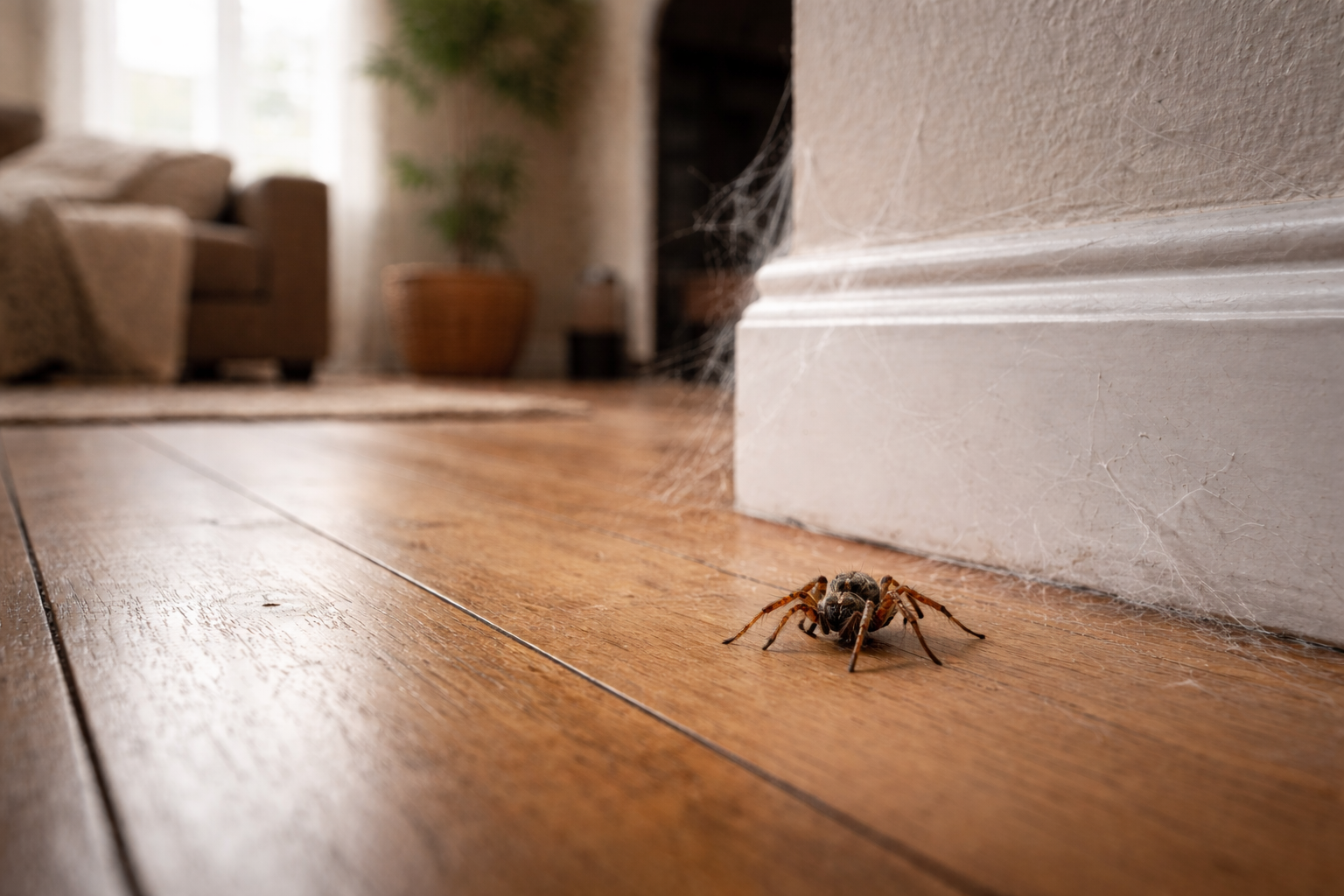
If you’ve noticed more spiders around your home lately, you’re not alone. Many homeowners throughout Georgia see spider activity increase at seemingly random times throughout the year, especially around garages, porches, basements, and windows. While the sight of a spider can be unsettling, the truth is that most spiders in Georgia are harmless and are simply passing through while looking for food or shelter.
Still, if spiders are appearing regularly inside your home, it usually means something nearby is attracting them. Understanding why Georgia spiders show up in the first place can help you take steps to reduce their presence.
Why Spiders Show Up Around Georgia Homes
Spiders don’t randomly move into homes. In most cases, they’re responding to conditions that make your property a good hunting ground or a safe place to hide.
They’re Following Food
The most common reason spiders appear around homes is simple: food. Spiders are predators that feed on insects such as flies, mosquitoes, ants, and gnats. If your home or yard attracts these pests, spiders will naturally follow.
Outdoor lighting, standing water, and vegetation around the home can increase insect activity. Porch lights, for example, draw flying insects at night, which then attracts spiders looking for an easy meal.
According to the University of Georgia Extension, spiders play an important role in controlling insect populations, which is why they’re commonly found wherever insects are present.
However, while spiders can be beneficial, most homeowners would prefer they stay outside rather than inside their homes.
Your Home Provides Shelter
Many Georgia spiders are attracted to quiet, undisturbed areas where they can hide during the day and hunt at night.
Common indoor hiding spots include:
- Garages
- Crawl spaces
- Basements
- Attics
- Storage closets
- Window corners
These areas offer protection from predators and the weather, making them appealing shelter for spiders.
Sometimes spiders accidentally wander indoors while hunting. Others intentionally move inside to find a comfortable place to settle.
Seasonal Changes Can Drive Spiders Indoors
Georgia’s warm climate supports insect activity for much of the year, which naturally attracts spiders. However, seasonal weather changes can make spiders more noticeable.
During cooler months, some spiders may move indoors seeking warmth or shelter. In late summer and early fall, many species also become more active as they search for mates.
Because of this, homeowners often notice more spiders in Georgia homes during seasonal transitions.
Outdoor Conditions Can Attract Spiders
The exterior of your home also plays a role in whether spiders decide to stick around or not.
Certain outdoor features can create ideal spider habitats, including:
- Dense shrubs or plants touching the house
- Stacked firewood or yard debris
- Cluttered sheds or garages
- Bright exterior lighting
Spiders use these areas to build webs or hide during the day. Some species, such as the house jumping spider, can often be spotted around windows, siding, or sunny exterior walls while they hunt insects.
If conditions around your home support insects and provide shelter, spiders will likely follow.
How to Help Keep Spiders Away
The good news is that a few simple steps can help reduce spider activity around your home.
Reduce Insect Activity
Since spiders feed on insects, reducing the number of bugs around your property can significantly lower spider activity.
Helpful steps include:
- Switching outdoor lights to yellow or warm LED bulbs that attract fewer insects
- Keeping trash cans sealed tightly
- Eliminating standing water where mosquitoes breed
- Maintaining regular pest control services
When insect populations drop, spiders have fewer reasons to stay.
Seal Entry Points Around Your Home
Many Georgia spiders enter homes through small gaps around doors, windows, vents, and foundations.
Inspecting your home for potential entry points can help prevent spiders from wandering inside.
Look for:
- Torn window screens
- Gaps around doors and door frames
- Cracks in siding or foundations
- Openings around pipes or utility lines
Sealing these areas can help keep spiders and other pests from entering your home.
Keep Storage Areas Clean and Organized
Spiders prefer dark, quiet spaces where they won’t be disturbed. Cluttered areas give them the perfect hiding spots.
To reduce spider hiding places:
- Store items in sealed plastic bins instead of cardboard boxes
- Keep garages and basements organized
- Avoid stacking unused items in corners or against walls
- Vacuum or sweep webs regularly
Regular cleaning can help discourage spiders from settling in.
Maintain the Exterior of Your Home
Outdoor maintenance can also make a big difference.
Simple steps include:
- Trimming shrubs and tree branches away from the house
- Removing leaf piles and yard debris
- Moving firewood away from the home
- Clearing spider webs around doors, windows, and lights
Keeping the exterior tidy reduces the number of places spiders can hide.
For more general guidance on identifying common household spiders, check out our blog on spider identification and behavior.
When to Consider Professional Spider Control
Occasional spider sightings are normal, especially in Georgia’s warm climate. But if you’re seeing spiders frequently inside your home, it may indicate an underlying pest issue.
You may want professional help if you notice:
- Frequent spider sightings indoors
- Large numbers of webs forming quickly
- Spider egg sacs appearing in garages or basements
- Increased insect activity around the home
Professional pest control focuses not only on the spiders themselves but also on addressing the conditions that attract them.
The team at Pest Force understands the habits of common Georgia spiders and how to manage them effectively. Treatments typically focus on reducing insect populations, treating common spider hiding areas, and helping homeowners prevent future infestations.
If spider activity around your home is becoming frustrating, Pest Force can help you identify the cause and recommend a treatment plan that keeps your home more comfortable year-round. Get in touch today to get started.