When most homeowners think about termites, spring comes to mind. Swarmers appear, wings pile up near windows, and panic sets in. But the truth is, by the time you see termites, they’ve often been active for months. In Georgia, where mild winters allow colonies to stay active year-round, late winter and early spring are the most strategic times to focus on prevention.
Understanding how termites in Georgia behave can make the difference between proactive protection and costly repairs.
Why Georgia Termites Are a Year-Round Threat
Georgia is considered a high-risk state for termite activity, largely due to warm temperatures and moisture-friendly soil conditions. Subterranean termites, the most common species in the region, live underground and feed continuously on cellulose materials like wood.
According to the University of Georgia Extension, termite colonies can remain active throughout winter by moving deeper into the soil or closer to heated structures, which means damage can occur long before any visible signs appear.
This is why scheduling a termite inspection in Georgia before spring is the wise choice.
Termite Season Starts Earlier Than You Think
In Georgia, termite season typically begins as early as February and can extend through May, especially after warm rains. Swarmers don’t cause damage themselves, but they are a clear indicator that an established colony is nearby.
By the time swarmers show up, termites have often been feeding undetected for months. That’s why pest professionals emphasize late winter inspections: they allow time to identify risks, stop active colonies, and put preventative measures in place before new infestations begin.
For homeowners in high-risk areas like Monroe, Athens, and Covington, early action is especially important.
Common Signs of Termites to Watch For
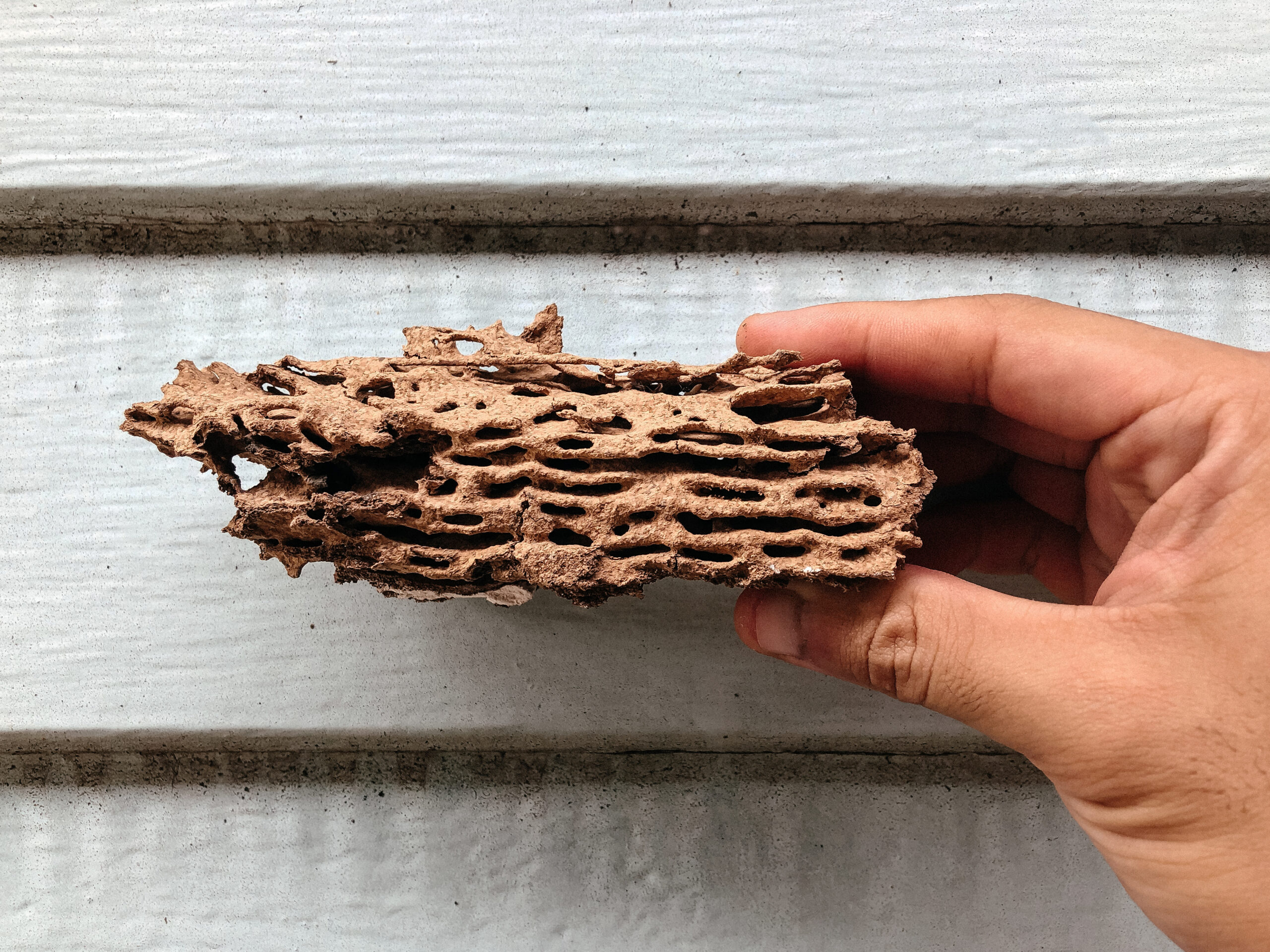
Many homeowners don’t realize they have a problem until damage is advanced. Some early warning signs include:
- Mud tubes along foundations or crawl spaces
- Discarded wings near doors or windows
- Hollow-sounding wood
- Bubbling paint or warped surfaces
If you notice any of these, scheduling a professional termite inspection in Covington or your local area should be a priority.
Prevention vs. Reaction: Why Timing Matters
Reactive termite treatment often involves structural repairs, invasive work, and higher costs. Preventative termite control focuses on reducing risk before damage occurs.
Late winter is an ideal time to address conditions that termites are drawn to, such as:
- Excess moisture around foundations
- Poor drainage
- Wood-to-soil contact
- Mulch placed too close to siding
The National Pest Management Association notes that moisture control and routine inspections are an essential part of reducing termite risk.
Professional Termite Inspections: Your First Line of Defense
A professional inspection goes beyond what homeowners can see. Trained technicians evaluate structural vulnerabilities, soil conditions, and early signs of activity that are easy to miss without training and experience.
Pest Force offers comprehensive termite inspections and treatment options designed specifically for Georgia’s climate. Their services include advanced detection methods and proven treatment systems that target colonies at the source.
For homeowners looking for termite control in Covington or surrounding areas, early inspections allow treatments to be applied before termite pressure increases in spring.
Termite Control in Athens and Surrounding Areas
Homes in and around Athens face consistent termite pressure due to moisture, wooded lots, and older construction. Professional termite control in Athens, GA, focuses on both eliminating active colonies and preventing future infestations through long-term protection plans.
Pest Force provides customized termite control solutions for homeowners in Athens, addressing local risk factors while prioritizing safety and effectiveness.
Why Waiting Until Spring Can Be Risky
Spring feels like the “right” time to address termites, but it’s also when demand spikes and when colonies are most active. Waiting can mean:
- Higher likelihood of discovering established damage
- Limited scheduling availability during peak season
- Increased repair costs
Late winter inspections give homeowners flexibility, peace of mind, and a head start on protection.
What to Expect from Termite Treatment
Modern termite treatment in Georgia is precise, targeted, and designed for long-term protection. Depending on your home and risk level, treatment may include liquid barriers, baiting systems, or ongoing monitoring.
For homeowners seeking termite treatment in Covington or nearby areas, working with a local provider ensures solutions are tailored to Georgia soil conditions and termite behavior.
Get Ahead of Termite Season
The best time to protect your home from Georgia termites is before they become visible. Late winter and early spring offer a crucial window to inspect, prevent, and protect without the stress of reacting to damage.
If you want confidence heading into termite season, Pest Force offers professional inspections and proven termite control solutions across Athens, Covington, and surrounding communities.
Schedule your inspection now and protect your home before termites make their move.